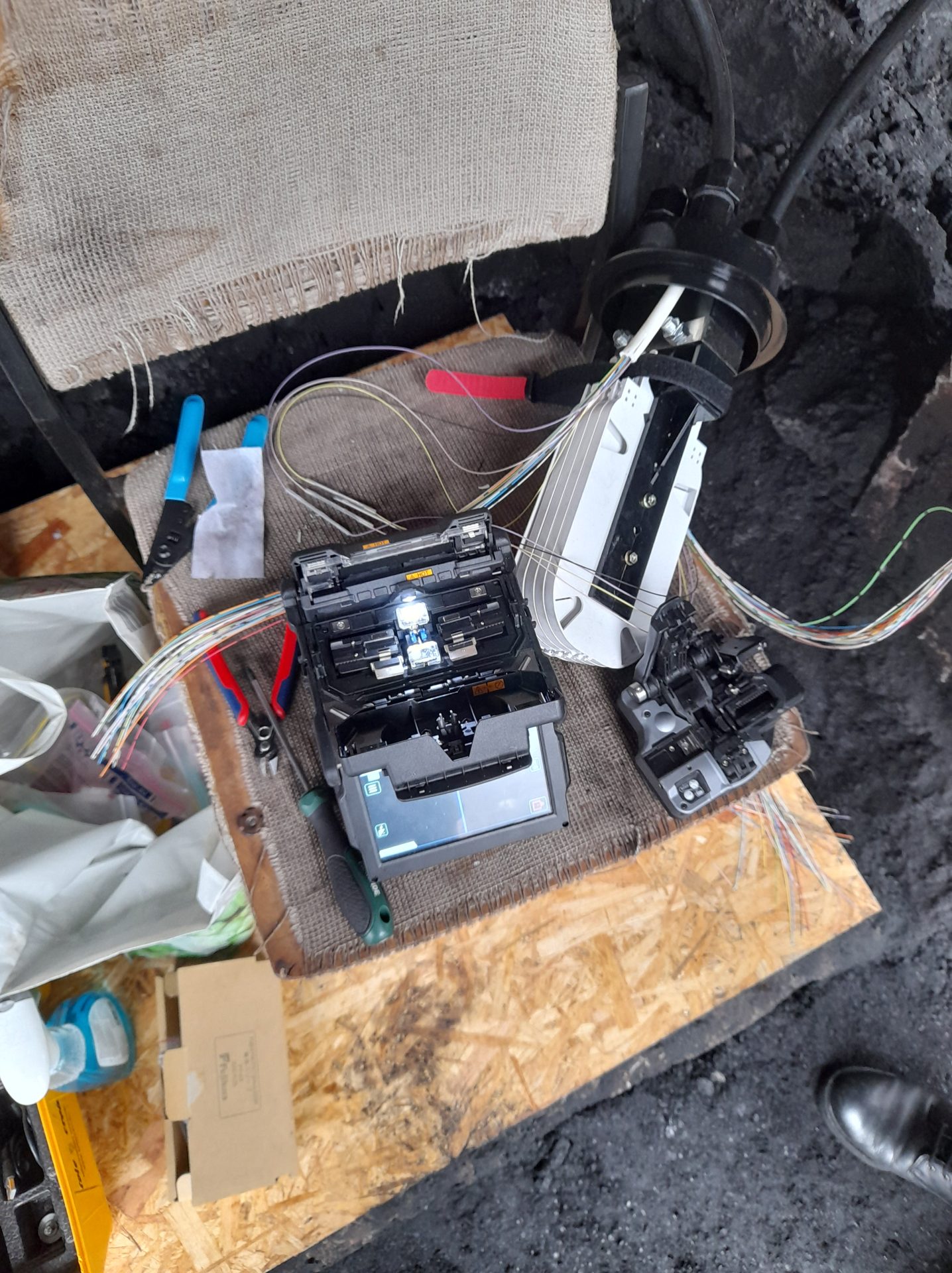
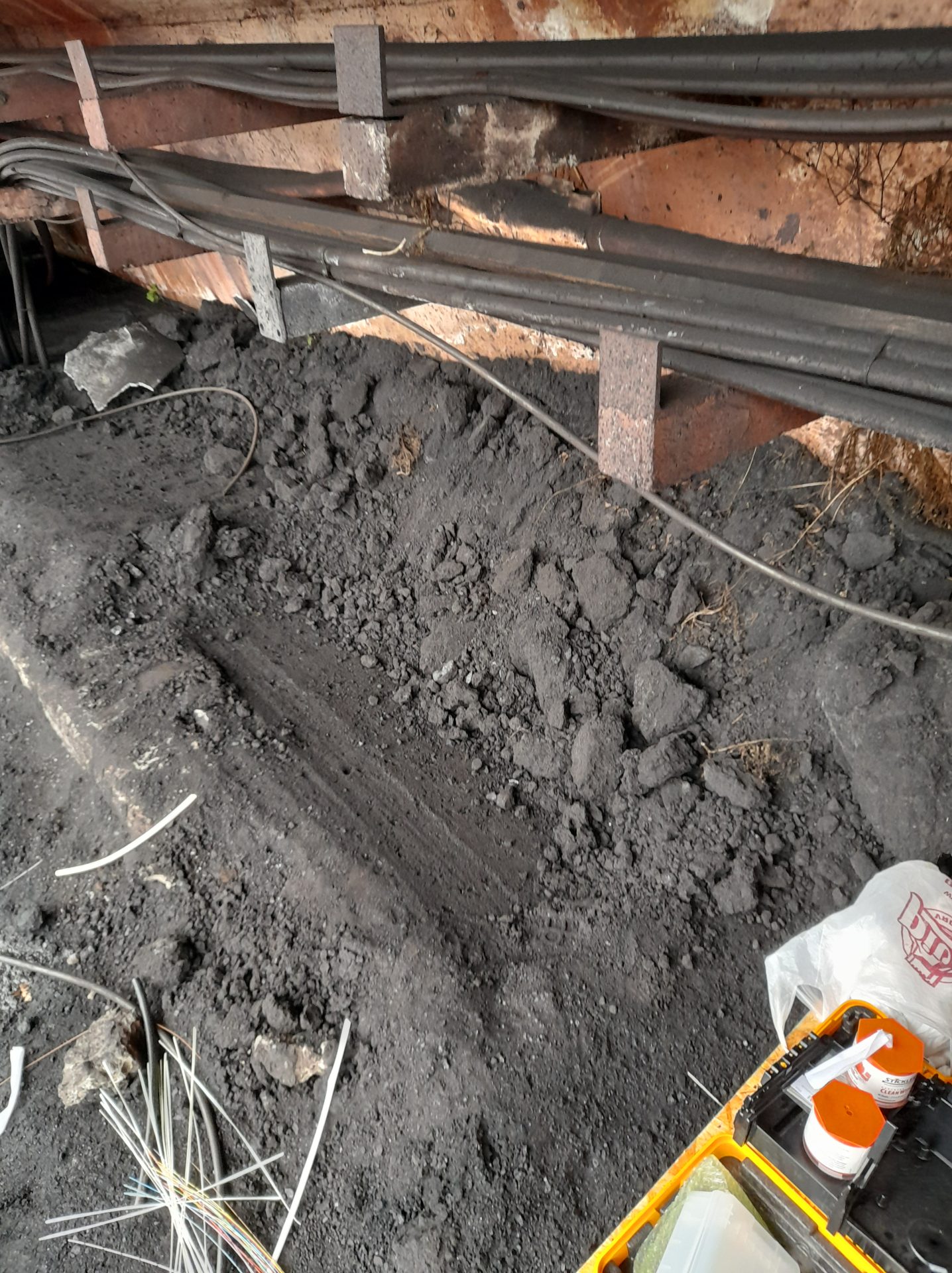
Optical telecom networks
A Reliable Partner for Optical Networks
Promatis is a specialized company with years of experience in the design, construction, and measurement of optical systems.
From industrial automation to modern high-speed telecommunications networks, our work is founded on technical precision, reliable equipment, and a deep understanding of optical technologies.
High performance quality, minimal losses, and clear, thorough documentation make Promatis a trusted partner for all optical projects.
Many Years of Proven Experience
Promatis has been designing and manufacturing fiber optic cables for industrial and automation applications since 2007. In response to market needs and business partner demands, Promatis expanded its activities in 2019 to include telecommunications fibre optic networks.
High-Speed Optical Networks
Today, we design and implement optical networks that reliably support speeds of 10 Gbit/s and, when required, up to 25 Gbit/s. These solutions are applied in both private buildings, such as smart homes, and in demanding industrial systems.
Quality Without Compromise
The foundation of our work is high-quality performance. We place special emphasis on minimal optical attenuation at splice points, precise OTDR measurements, and clearly structured, high-quality technical documentation. Comprehensive documentation is one of our key strengths in the successful delivery of optical projects.
Continuing Education and Certifications
Our employees regularly undergo professional training, ranging from working with the latest equipment to the design and budgeting of optical networks. We hold official certifications from authorized manufacturers for working with Fujikura and Jonard equipment, ensuring professional and reliable execution of every project.
Experience since 2007
Experience and Development in Optical Systems
Promatis has been designing and manufacturing optical cables for industrial and automation applications since 2007. Our initial focus was on specialized optical cables for Sercos protocols (Sercos I and Sercos II), which demanded exceptional manufacturing precision due to transmission speeds of 2 to 16 Mbit/s and extremely low permissible losses.
These Sercos systems were primarily used for optical connections to frequency converters from leading manufacturers such as Lenze (industrial automation) and Elau (packaging machines).
Expansion into Telecommunication Optics
Since 2019, responding to market needs and business partner demands, Promatis has expanded into telecommunications optical networks. Our work began with multimode systems, followed shortly by single-mode optics. From the outset, we have relied exclusively on proven professional equipment from Japanese manufacturer Fujikura and American manufacturer Jonard—a standard we continue to uphold today.
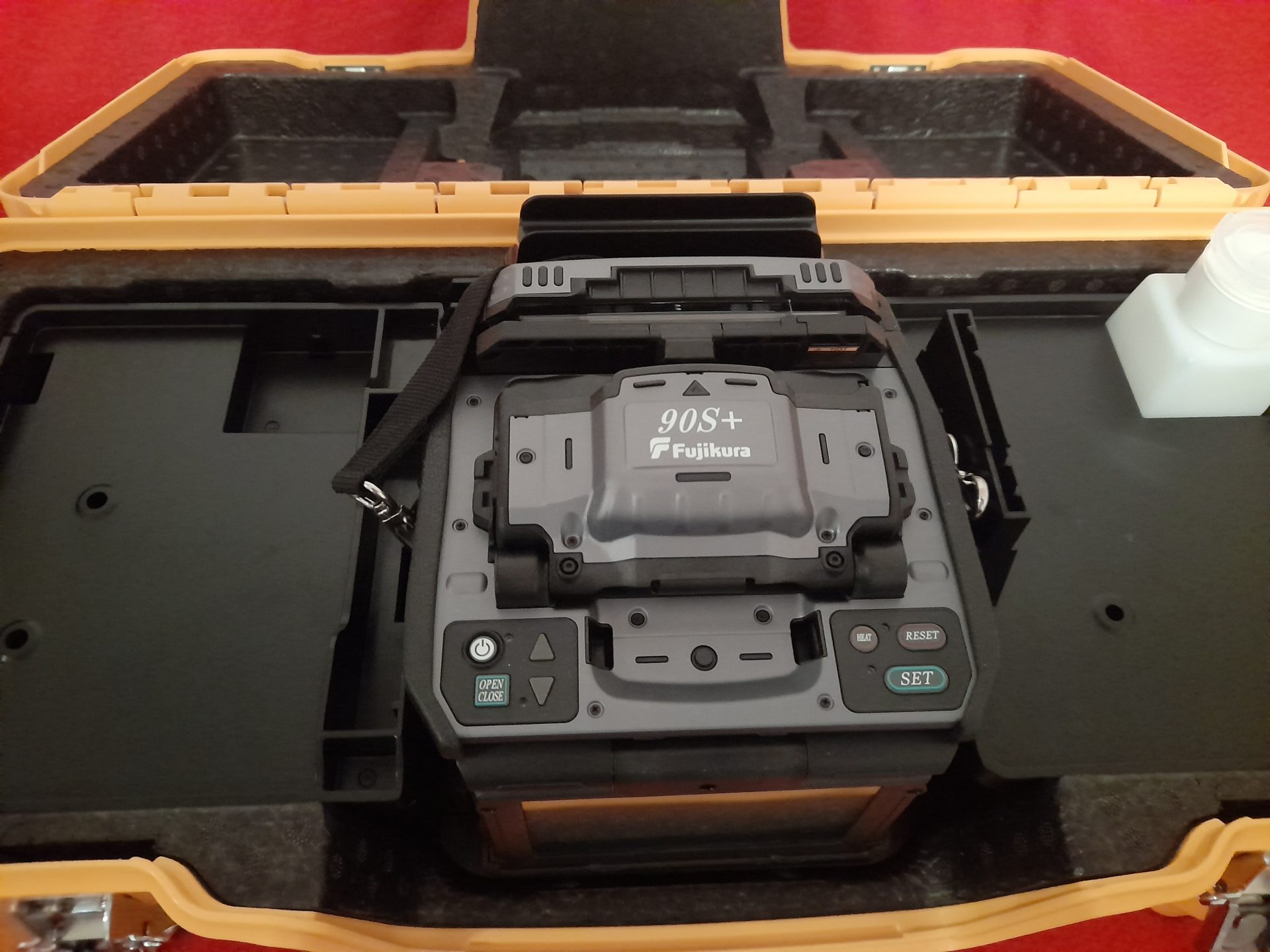
TOP FUJIKURA EQUIPMENT
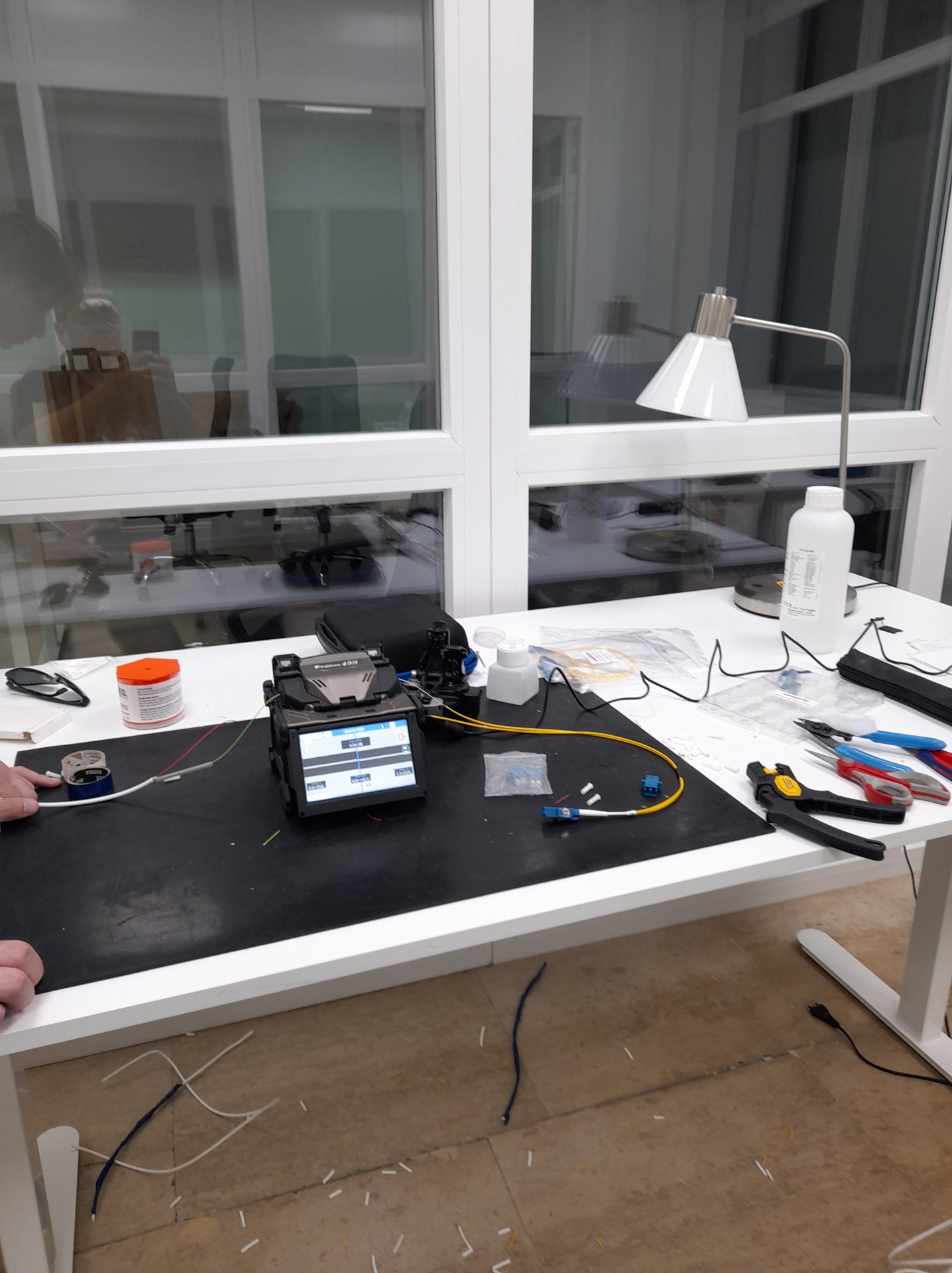
Our primary tools for optical connections are Fujikura devices.
Fujikura 45S is ideal for optical networks where less stringent suppression of the laser signal is acceptable.
Fujikura 90S+ is used for networks requiring extremely high precision, minimal signal loss, and support for high-speed data transmission (10 Gbit/s and above).
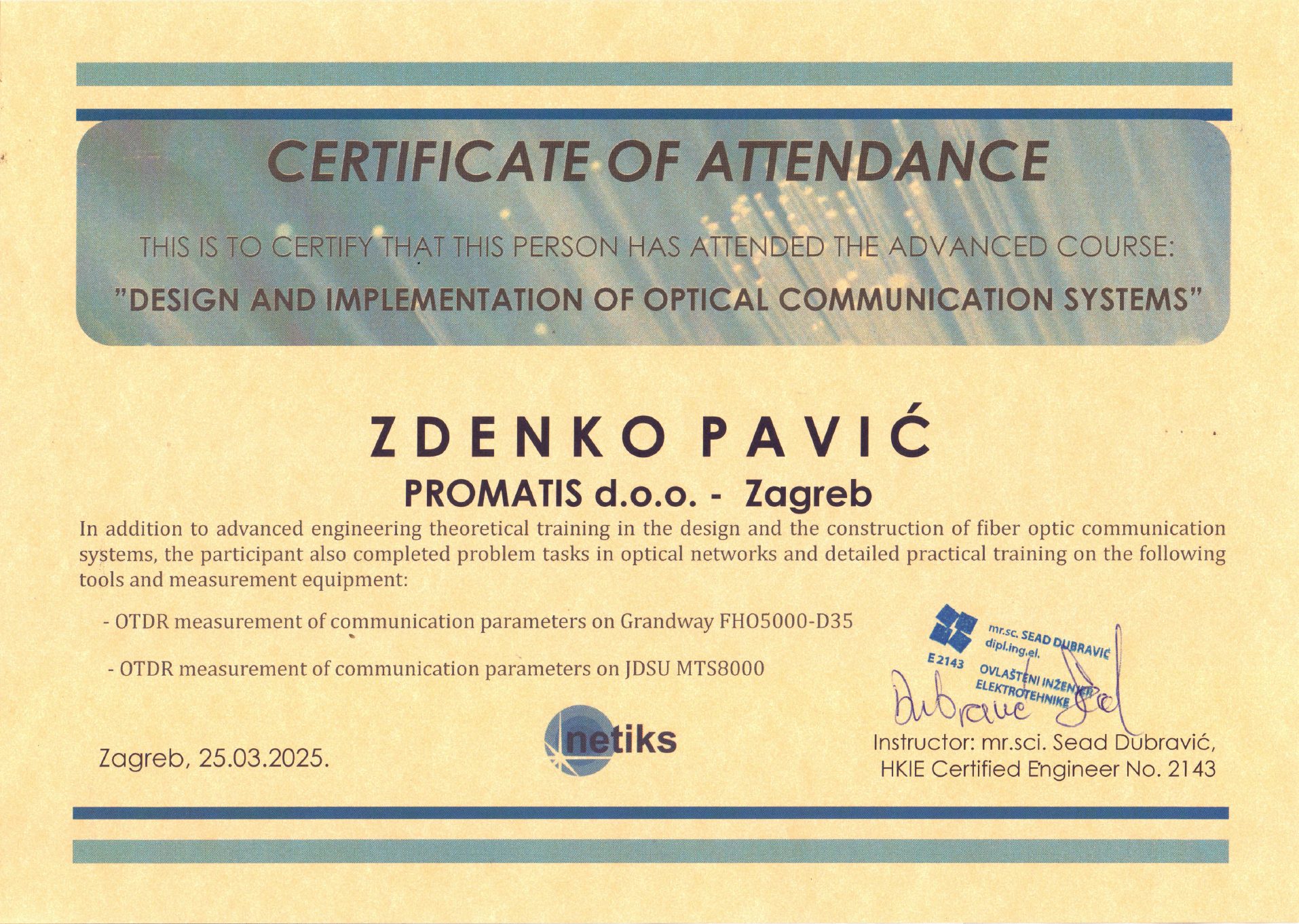
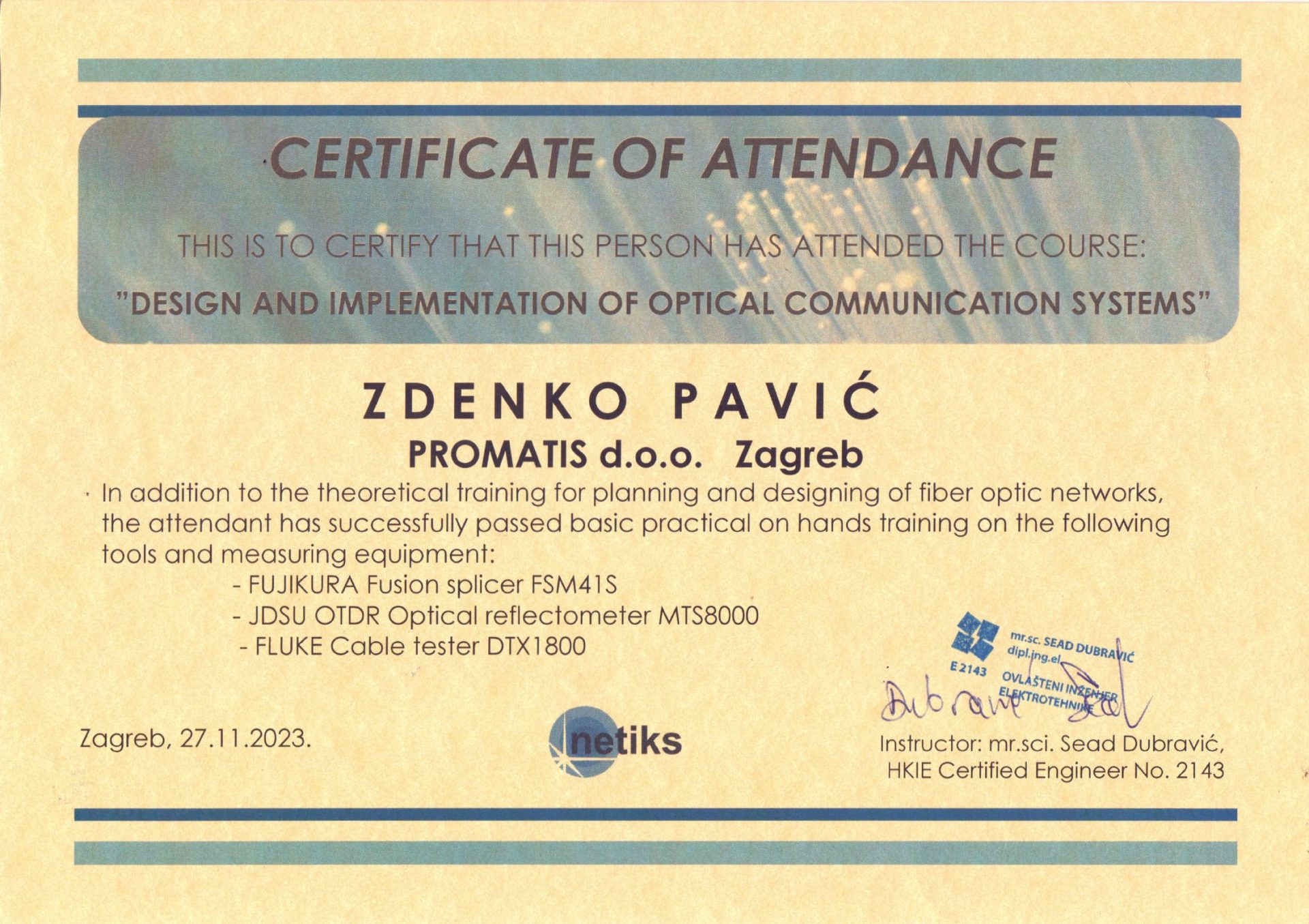
CERTIFICATIONS
Our employees regularly participate in professional training, including general courses as well as specialized courses for working with the latest Fujikura splicing equipment, ensuring expert and reliable project execution.


REFERENCES
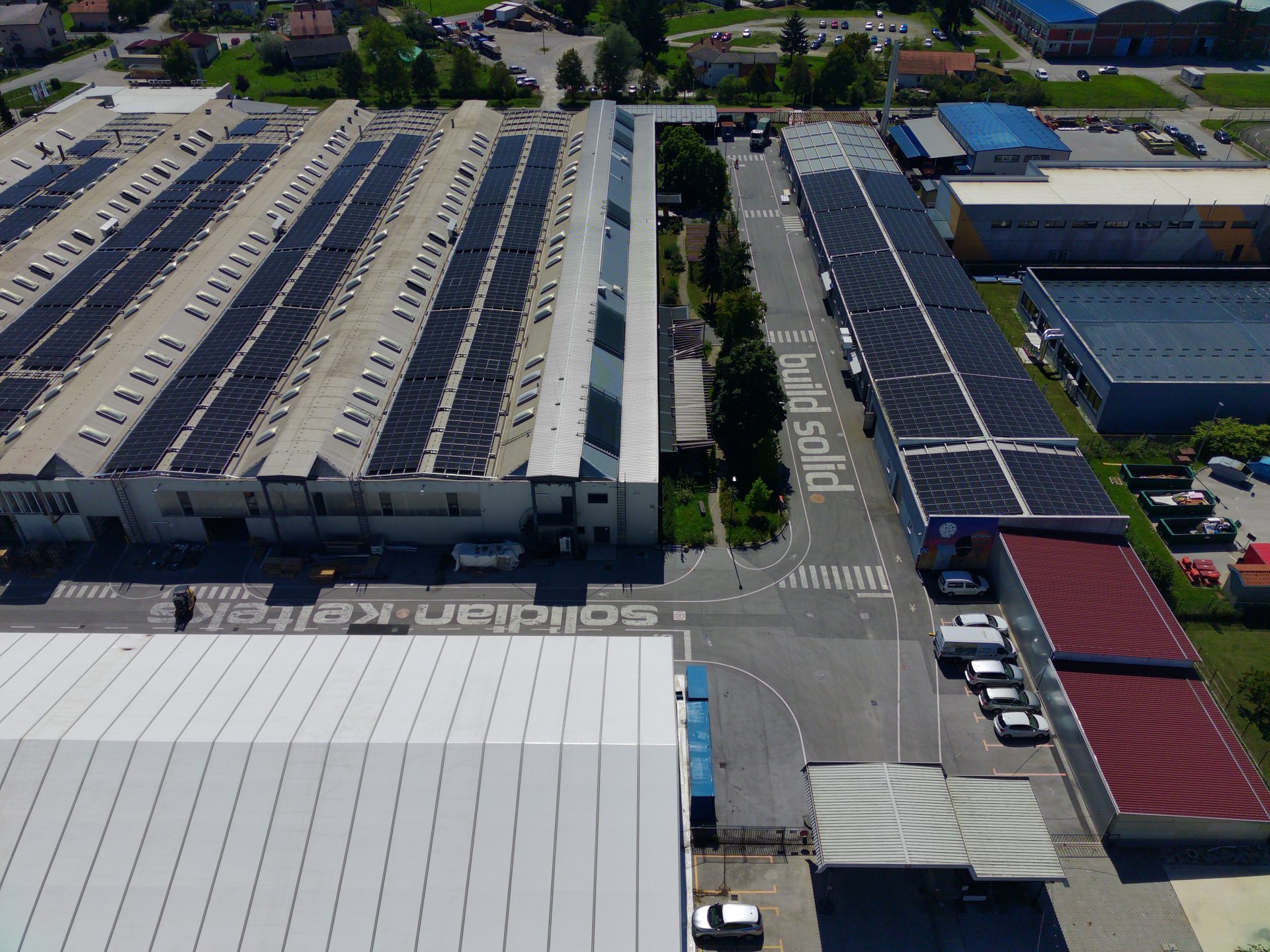
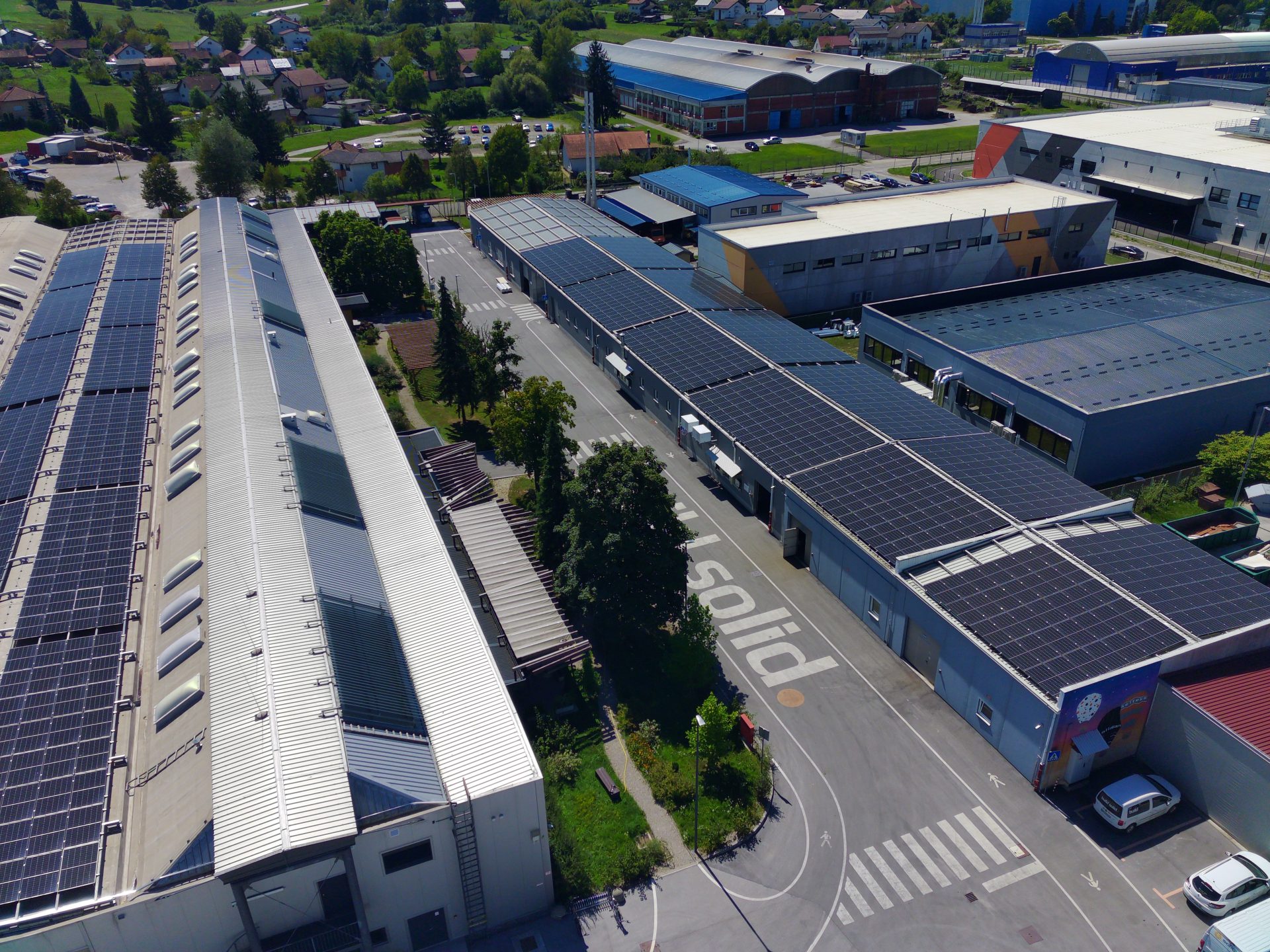
REFERENCA: Company Solidian Kelteks jsc. from Karlovac
Company Solidian Kelteks jsc. (www.solidian-kelteks.com) iz Karlovca recently constructed several new production halls for its operations. It was necessary to connect both the administrative building and the production halls to the optical network, as well as link individual optical cabinets within the production line itself.
Together with our electrical installation partner, company ENA Ltd. from Karlovac (www.ena.hr), who installed
REFERENCE: Hrvatski Telekom jsc.
In the areas of Zagreb and Zaprešić, we have completed multiple installations for Croatan Telecom jsc.
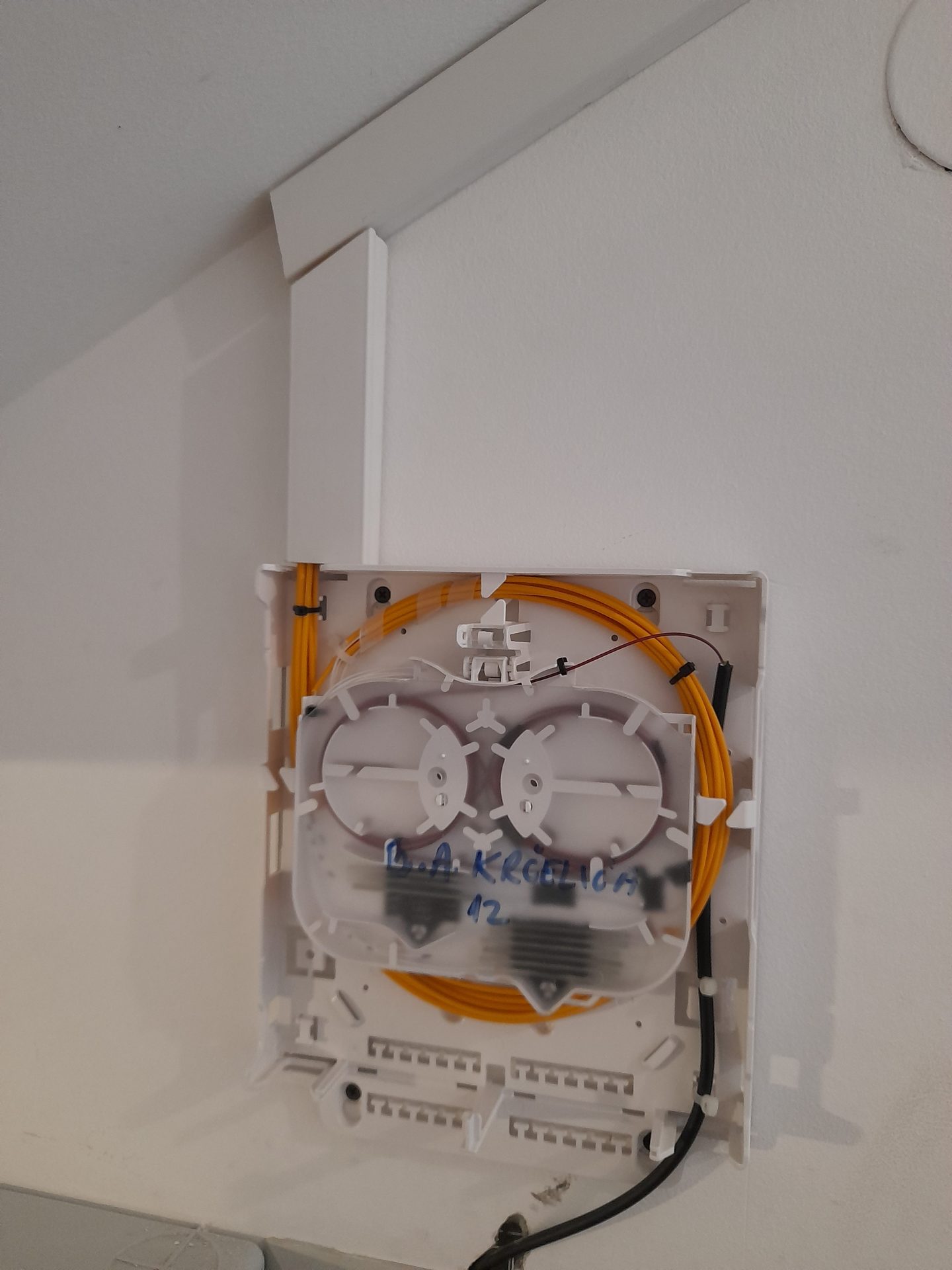
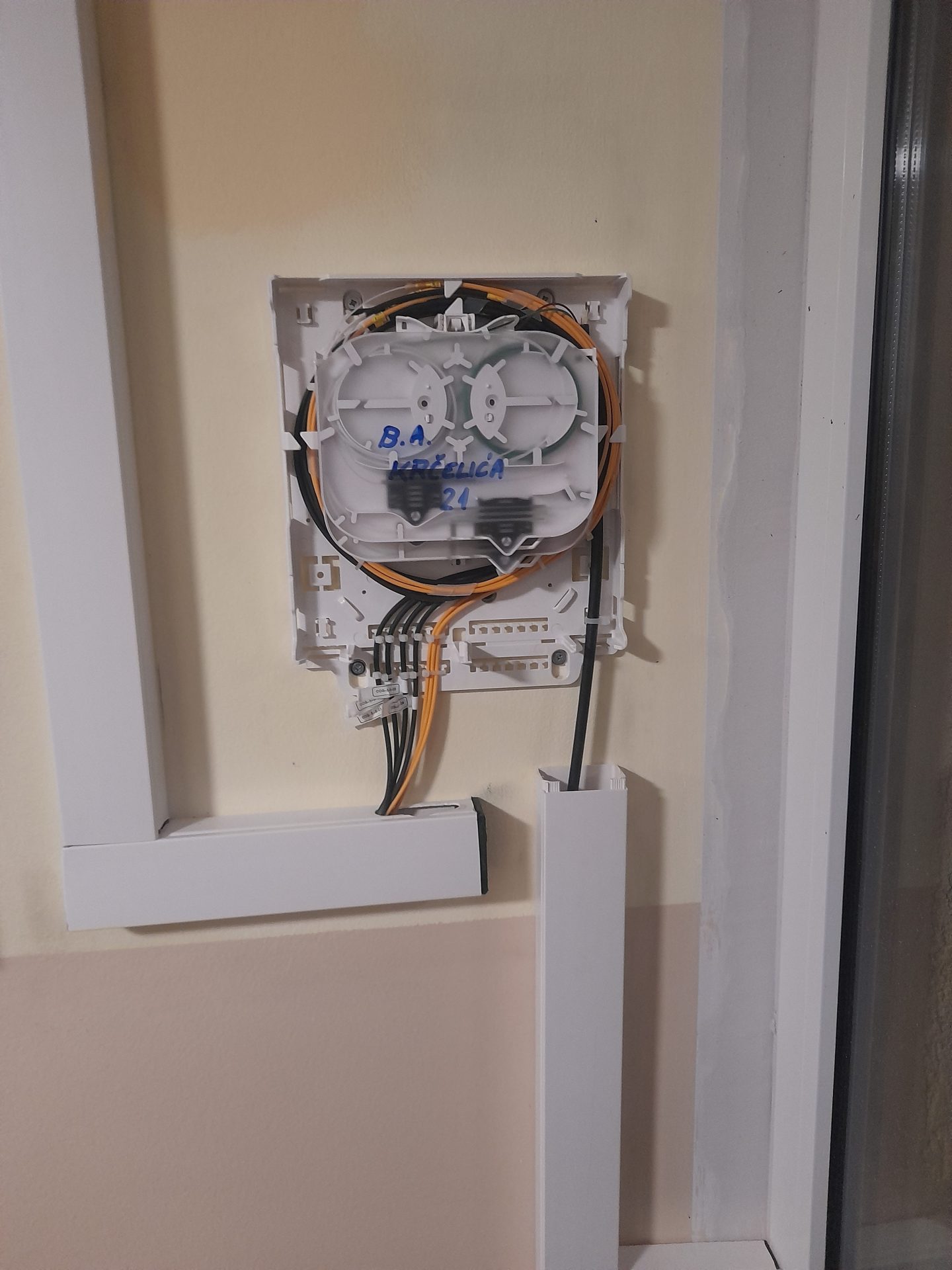
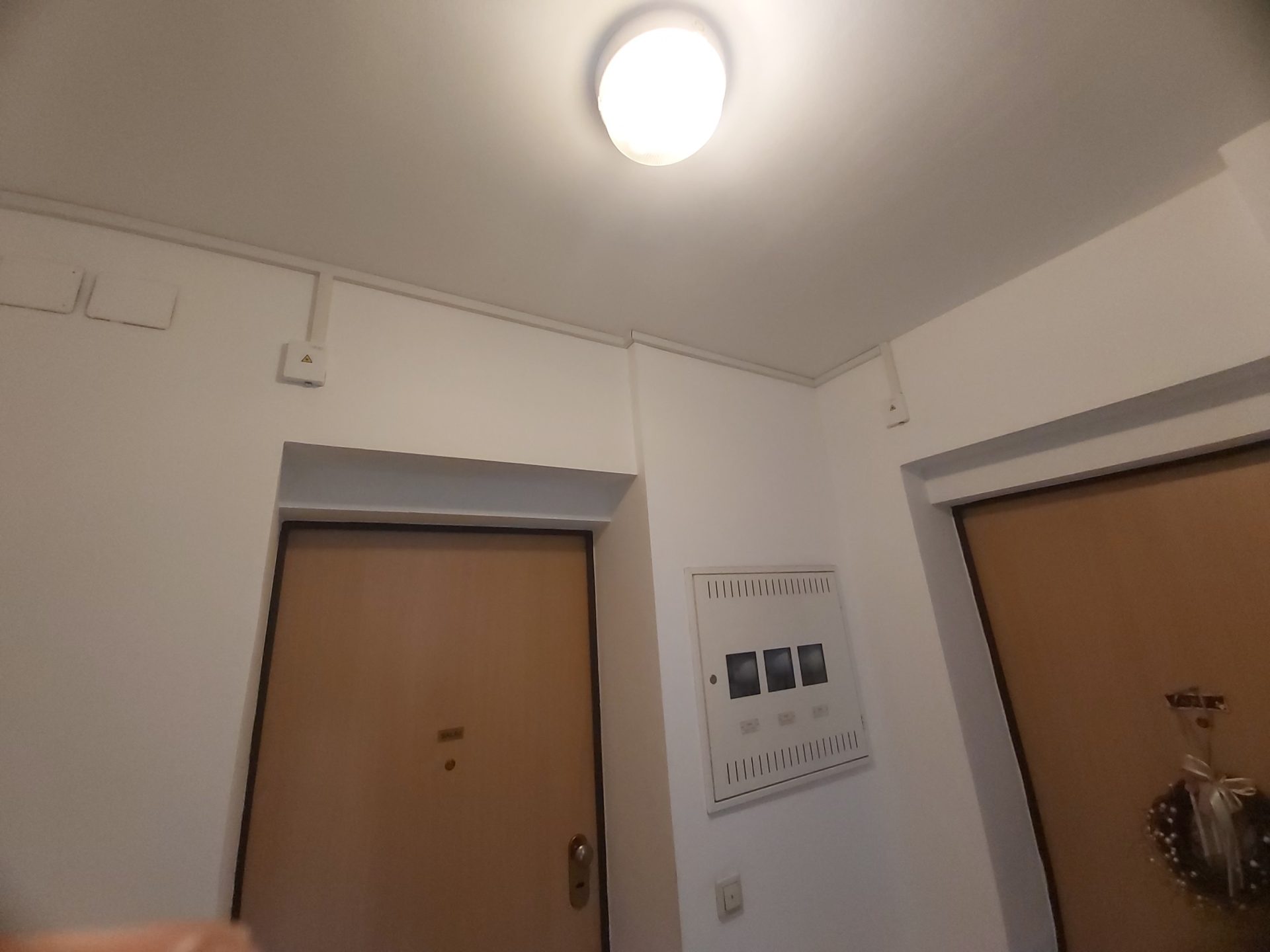
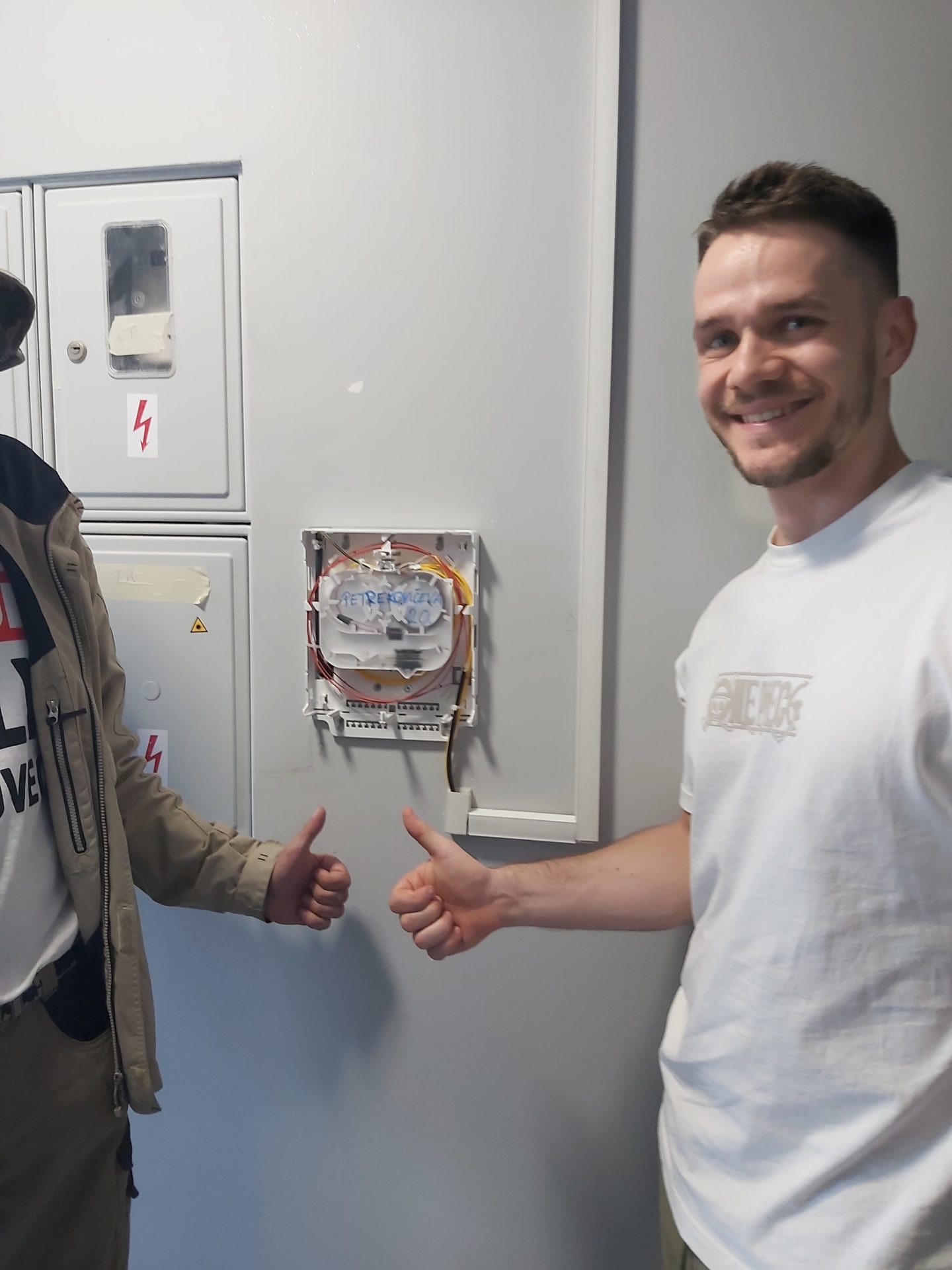
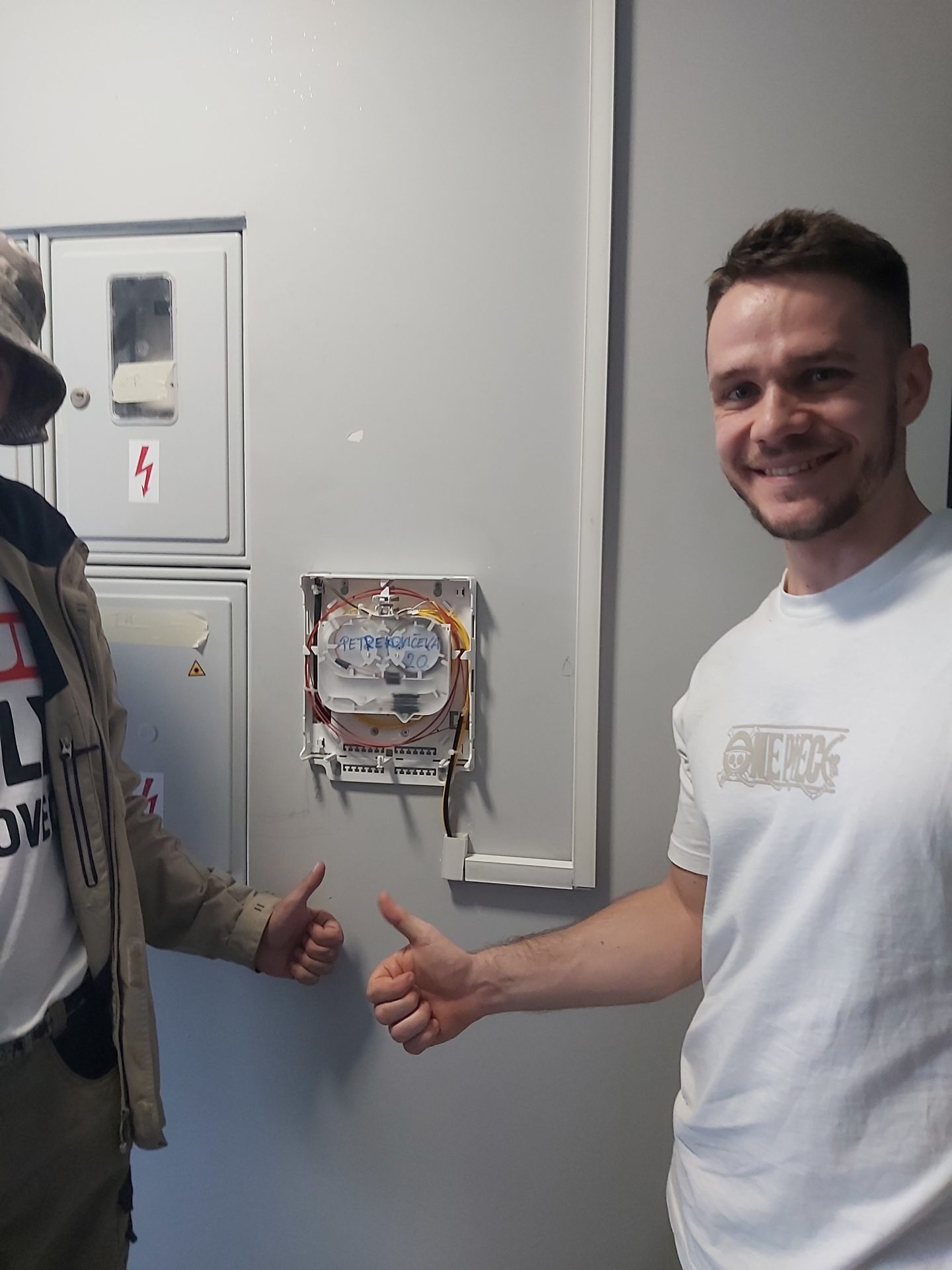
These projects involved building so called „verticals” for multi apartment buildings, bringing the optical network all the way from the main network point to individual apartments.
In locations where traditional routing was not feasible, we successfully installed optical cables through internal building ducts throughout the structure.